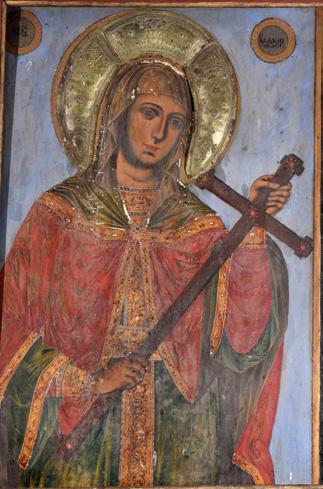
The Life and Martyrdom of Saint Kyriaki
Dorotheos and Eusebia prayed for a child and raised their daughter Kyriaki in the Christian faith. Inspired by the Theotokos and Saint Paul’s teaching, Kyriaki chose virginity and dedicated her life to Christ.
Archive Collection
Lives, trials, and witness from the Orthodox tradition.
The saints show us the Gospel lived in human lives. Through God’s grace, men and women answered Christ with faith, repentance and love. The Orthodox Church honours their witness and calls us to follow their example.
Reading their lives teaches us how faith bears fruit in prayer, mercy, courage and perseverance. Their struggles encourage us to repent, trust God and serve our neighbour. We read with discernment, seeking the holiness their stories reveal and learning to follow Christ in our own circumstances.
55 recordingsGreek and EnglishTranscript
Collection
Greek recordings and English narration, with transcripts for reading.
55 recordings
Dorotheos and Eusebia prayed for a child and raised their daughter Kyriaki in the Christian faith. Inspired by the Theotokos and Saint Paul’s teaching, Kyriaki chose virginity and dedicated her life to Christ.
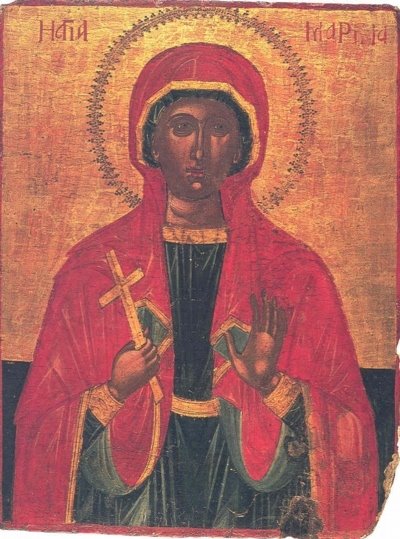
Born in Antioch of Pisidia, Marina was raised by a Christian caregiver, baptized at twelve, and disowned by her pagan priest father. At seventeen, she refused a prefect’s marriage proposal and openly confessed her faith in Jesus Christ.
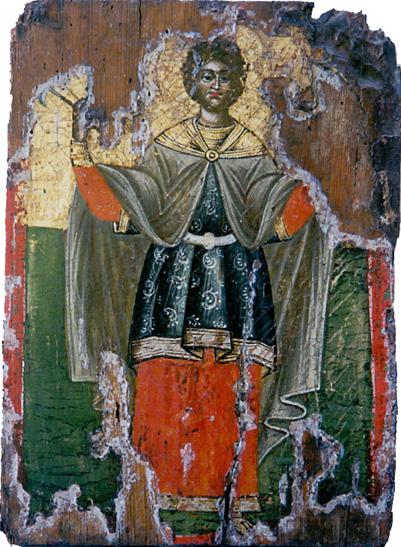
Saint Theodora of the Peloponnese entered the Monastery of Panaitsa disguised as a monk named Theodore. Her patience, obedience, and humility earned the trust of the monks, who assigned her work outside the monastery.
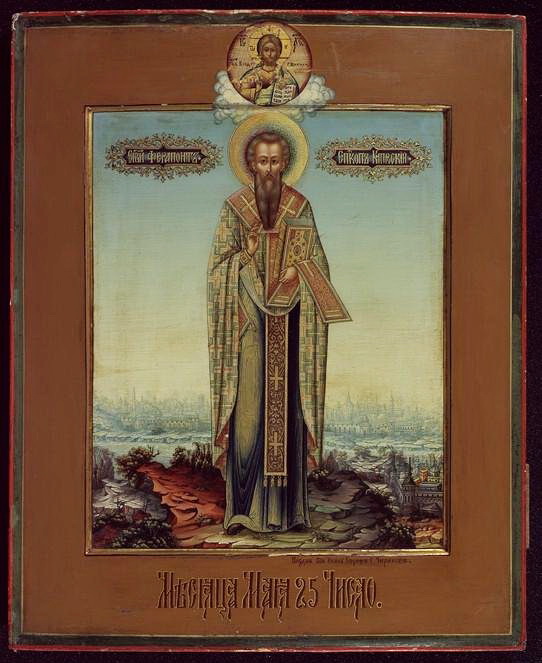
Born to devout parents in Alamannia, Therapon embraced an austere life of Scripture study and was ordained a bishop. He taught Orthodoxy, brought many people back from heresy, and defended the veneration of holy icons.
This account begins with the Orthodox rite of bringing a child to church after forty days and connects baptism with belonging to the Church. In the early 1950s, residents of Terpsithea sought permission to build a church through their own contributions.
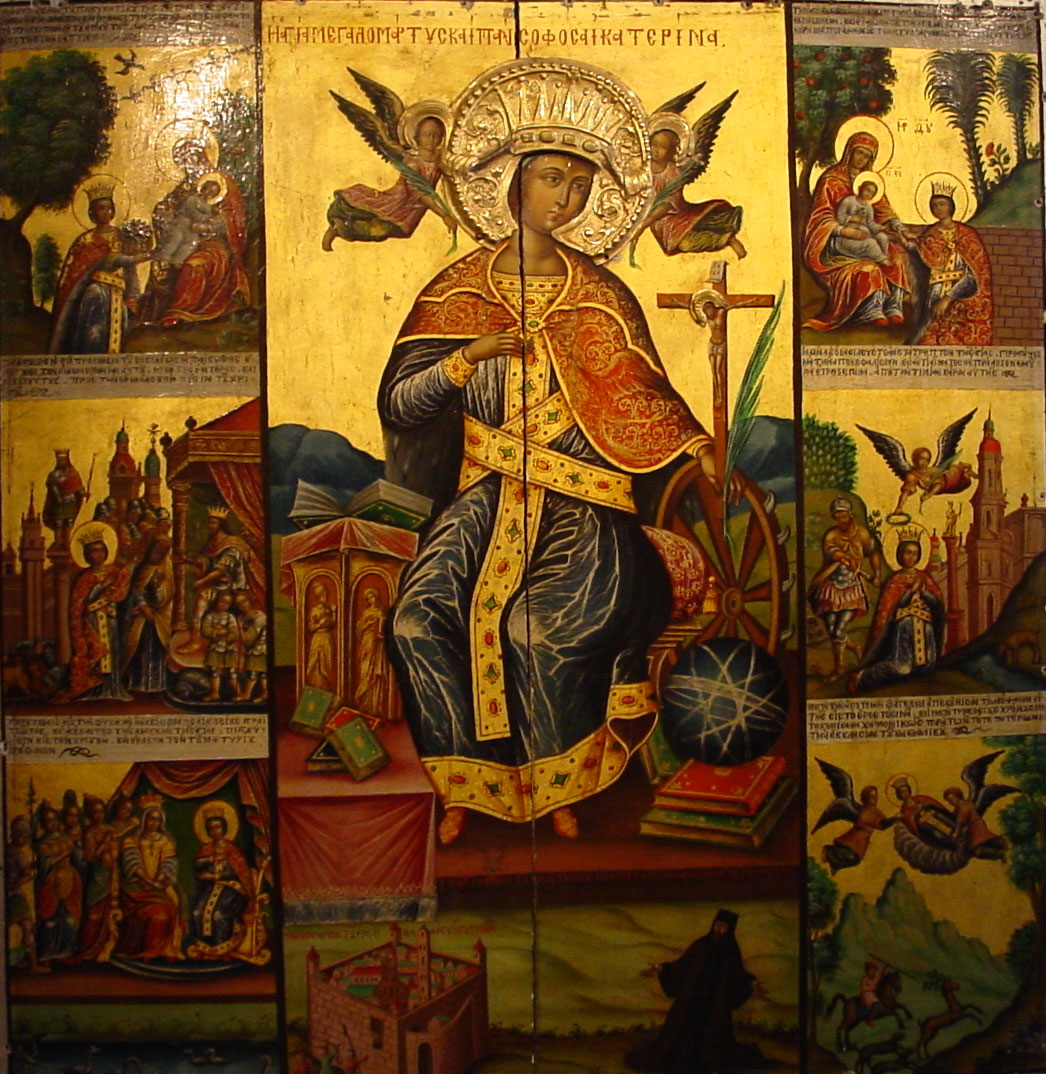
Catherine of Alexandria was admired for her learning and beauty but resisted her family’s pressure to marry. An ascetic directed her toward Christ and gave her an icon of the Theotokos, prompting a vision that led her to seek instruction in the Christian faith.
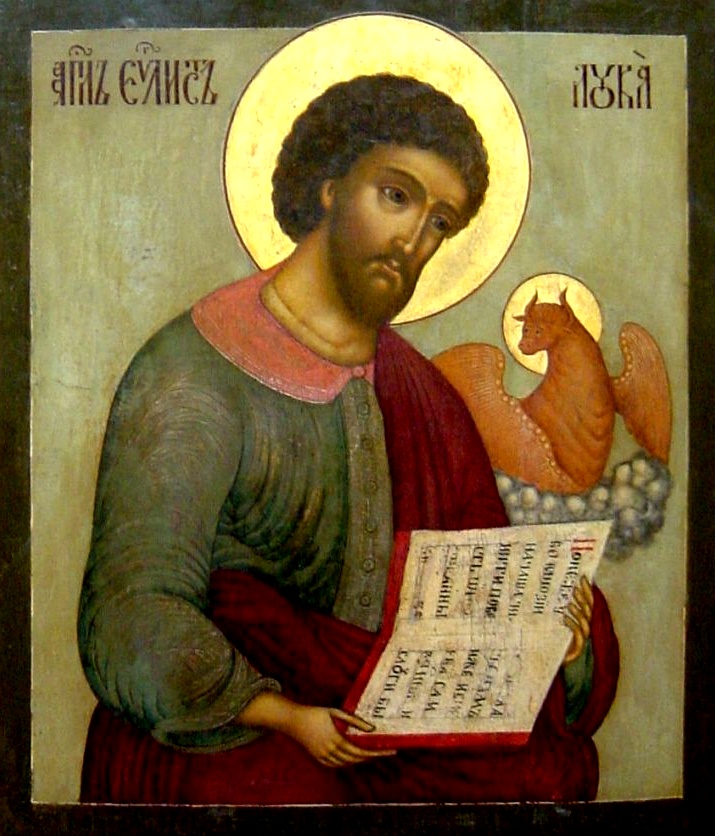
This account introduces Luke as a Greek physician from Antioch who wrote the Gospel of Luke and Acts of the Apostles. Orthodox tradition attributes early icons of the Theotokos and Christ Child to Luke, including an icon associated with the Monastery of Mega Spilaio.
Anastasia, a Constantinopolitan noblewoman in Justinian’s era, left the imperial court and founded a women’s monastery near Alexandria. She later lived in the Egyptian desert under Abba Daniel of Scetis, praying and fasting in seclusion while known as the monk Anastasios.
Catherine of Alexandria seeks a bridegroom whose nobility, wealth, wisdom, and beauty surpass her own. An ascetic elder gives her an icon of the Theotokos, and a vision directs her to learn the Christian faith.
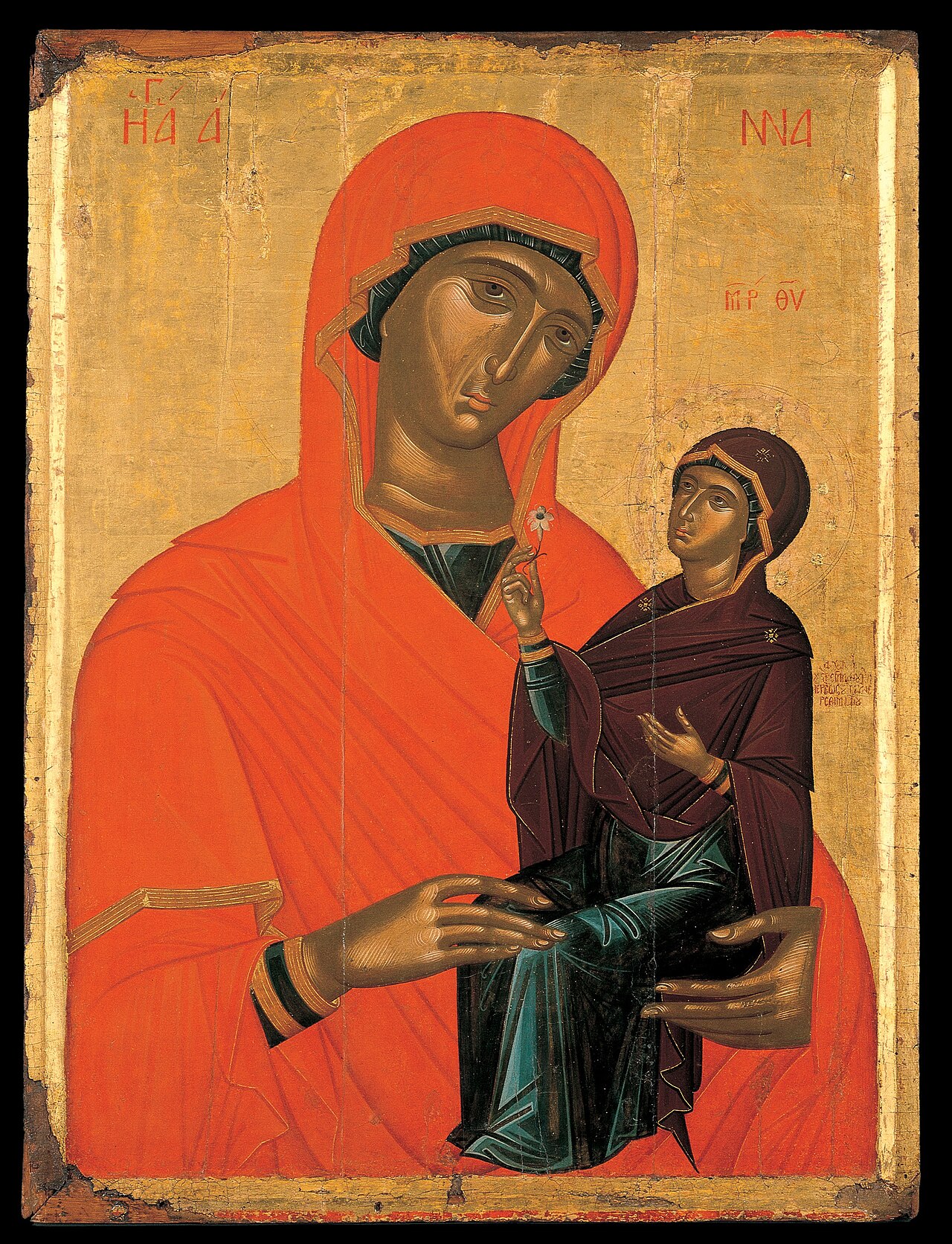
Saint Anna, from a priestly family, married Joachim, and they lived faithfully in Galilee. Their childlessness brought public shame, prompting Joachim to fast in the mountains and Anna to pray in their garden.
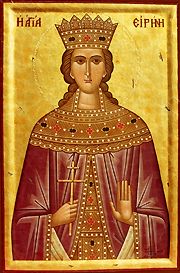
Saint Irene grew up in Magedon, Persia, as the daughter of Licinius, under the care of her tutor Apelianus. After embracing faith in Christ, she refused to abandon it despite her father’s demands.
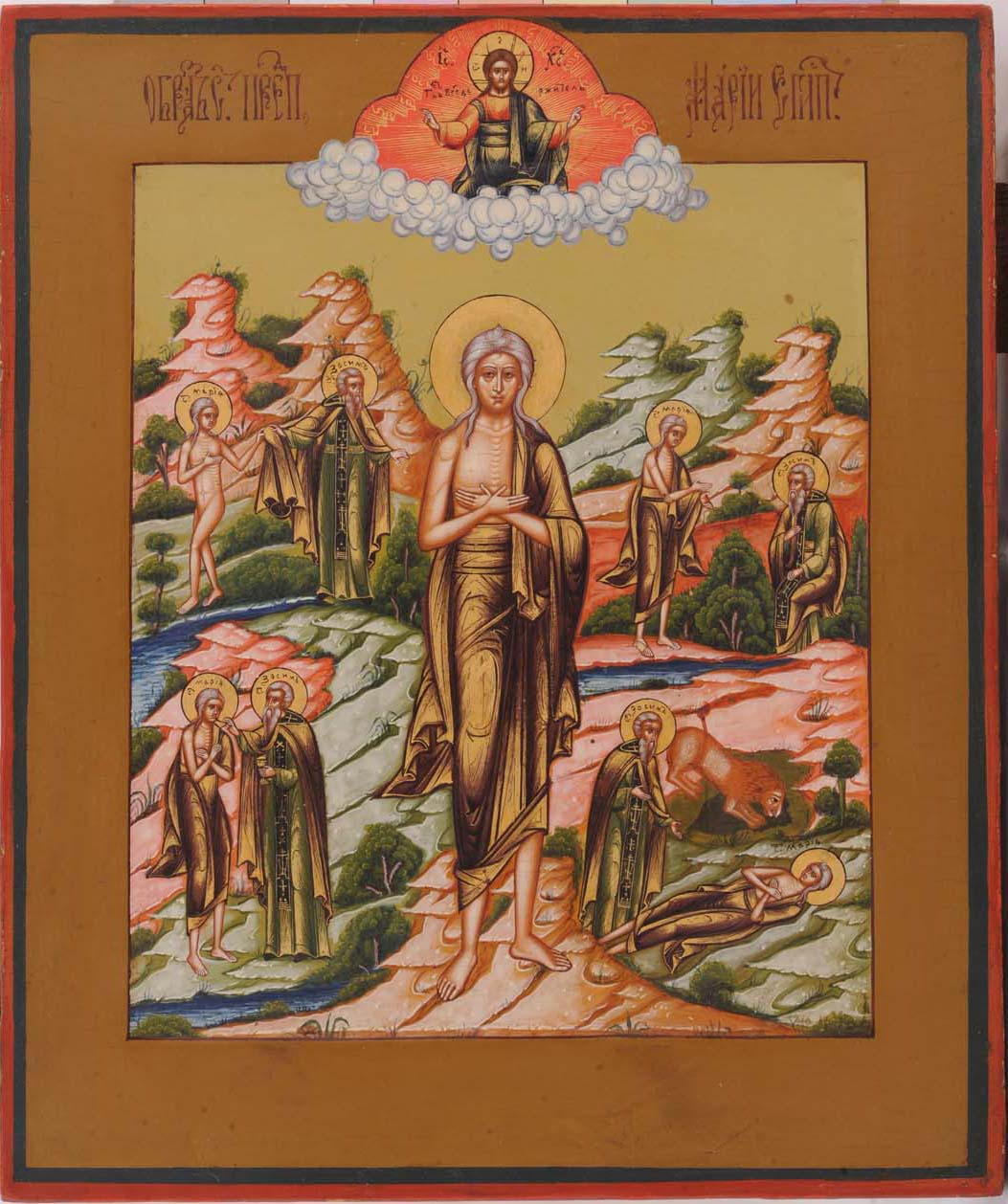
Mary of Egypt turned from a life of sexual sin after an unseen force prevented her from entering the Church of the Resurrection to venerate the True Cross. She prayed before an icon of the Theotokos, entered the church, and followed a call to cross the Jordan into the desert.
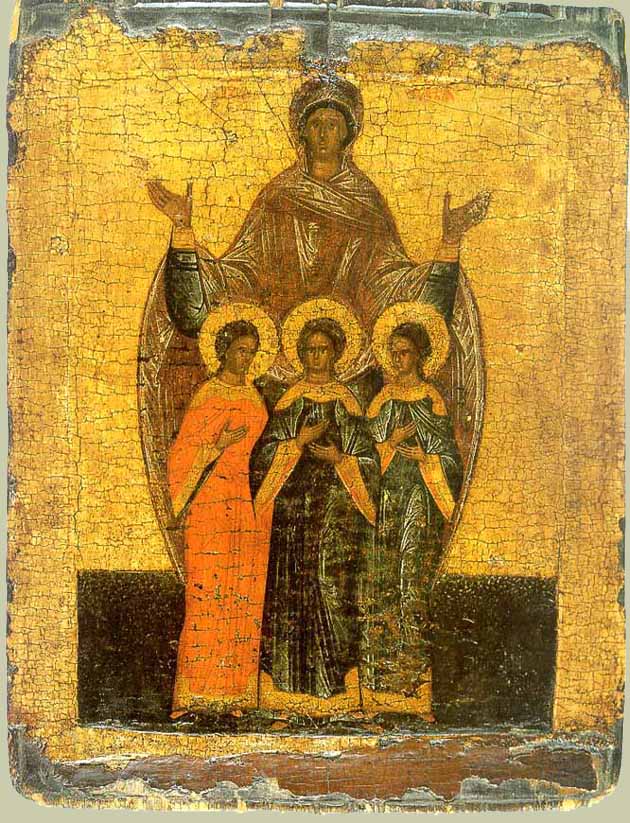
Saint Sophia raised her three daughters as Christians in Rome during the reign of Emperor Hadrian, naming them for the virtues praised by the Apostle Paul. After Antiochus reported their faith, Hadrian summoned the family and demanded that they renounce Christ.
Saint Sophia raised her daughters Faith, Hope, and Love in the Christian faith after her husband died. Their names reflect the virtues praised by the Apostle Paul in his hymn to love.
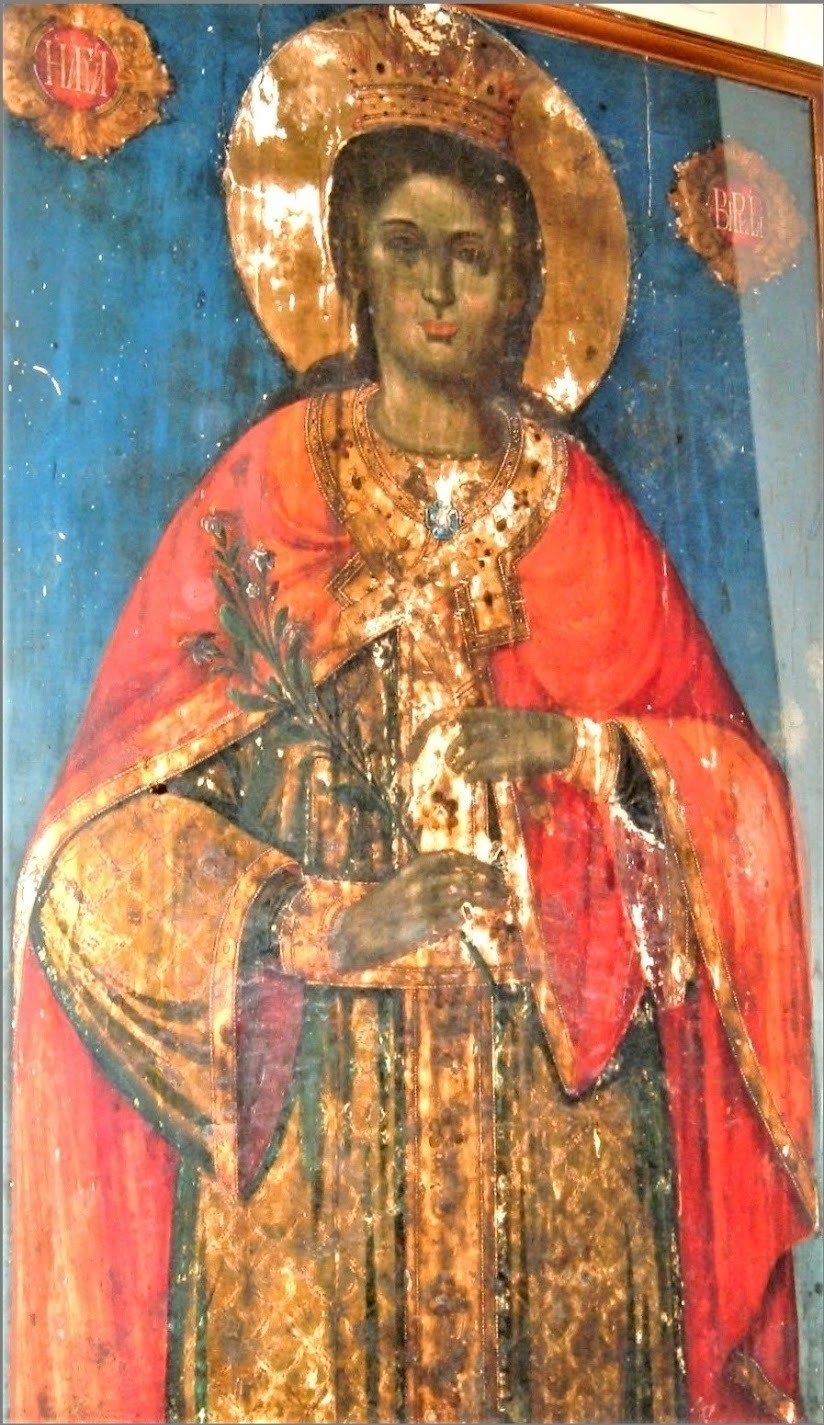
Saint Barbara, daughter of the pagan official Dioscorus, lived in Heliopolis during the reign of Diocletian. Confined in a tower, she declared her Christian faith by adding a third window to a bath as a sign of the Holy Trinity.
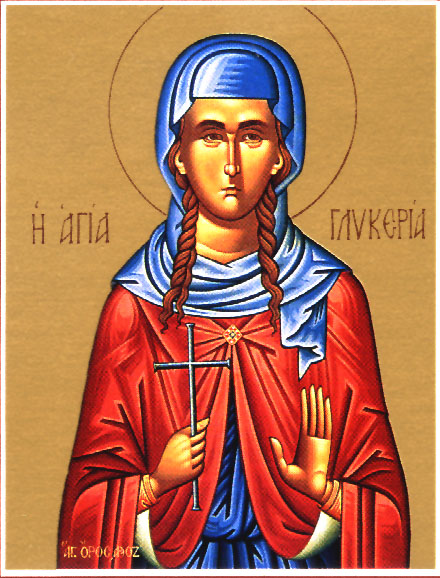
Born into a prominent Roman family, Glyceria encouraged Christians in Thrace who gathered secretly to pray. When Emperor Antoninus ordered sacrifices to the gods, Glyceria openly confessed Christ before Governor Sabinus.
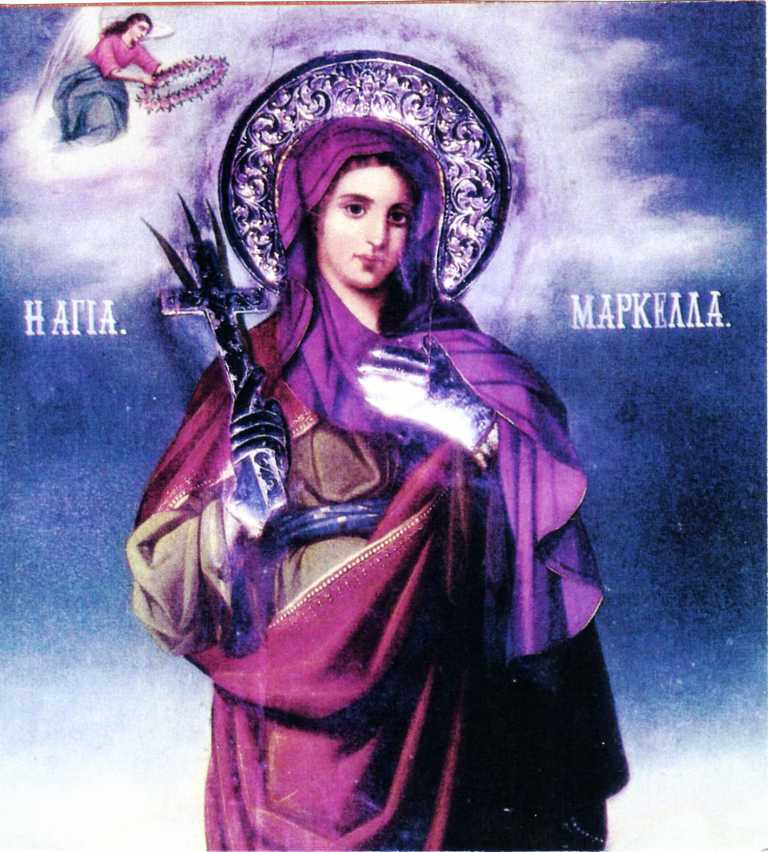
Born in Volissos on Chios, Markella lost her mother young and was raised by her wealthy father. She devoted herself to prayer, chastity, helping the poor, and becoming a bride of Christ.
Named for the day of her birth, Paraskevi was raised by devout parents to defend the word of God. After her parents died, she gave her wealth to the poor and devoted herself to God.
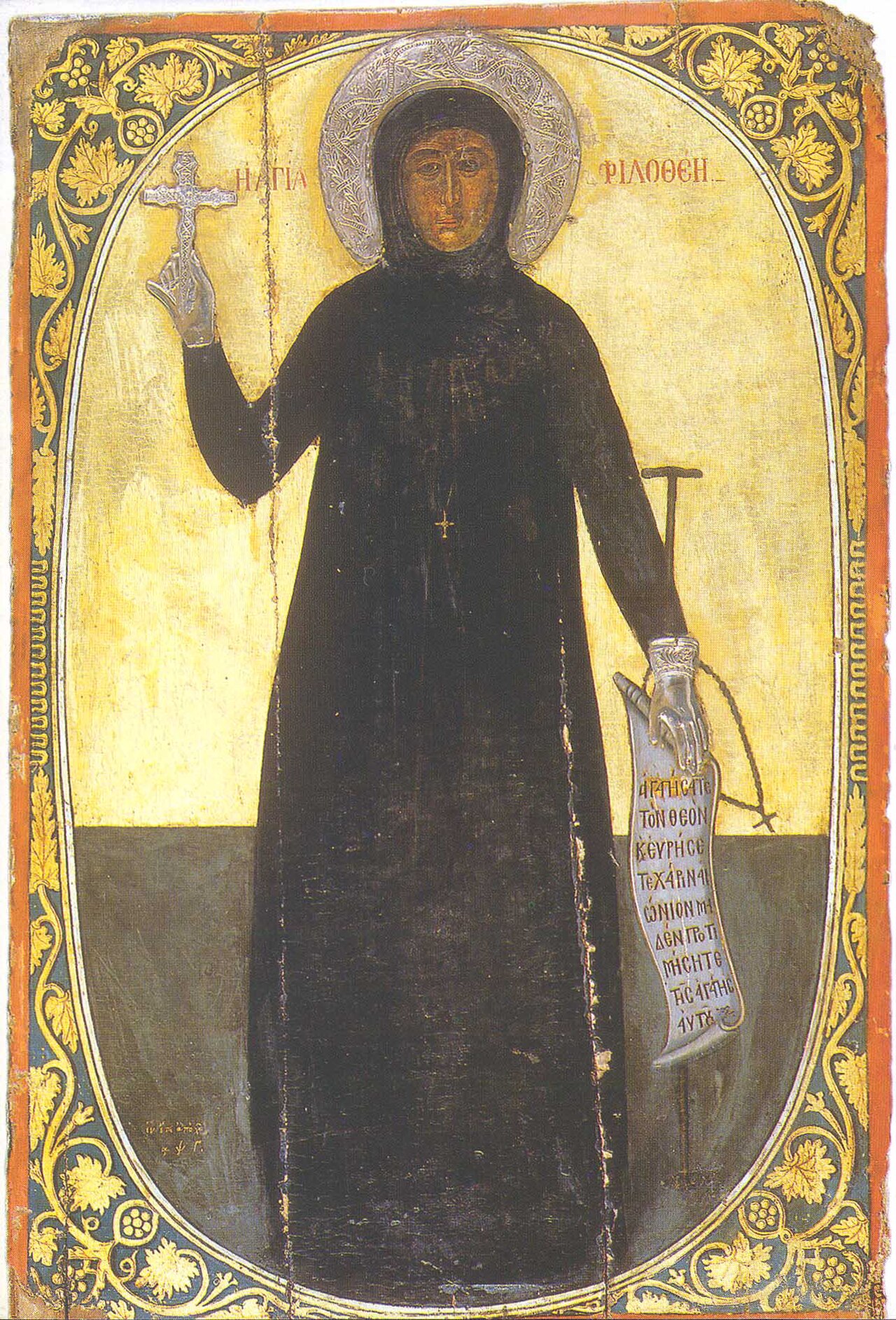
Born Revoula Benizelou in Ottoman-era Athens, Philothei grew up in a family known for wealth and almsgiving. Although she wished to become a nun, she married under family pressure and endured an abusive husband until his death.
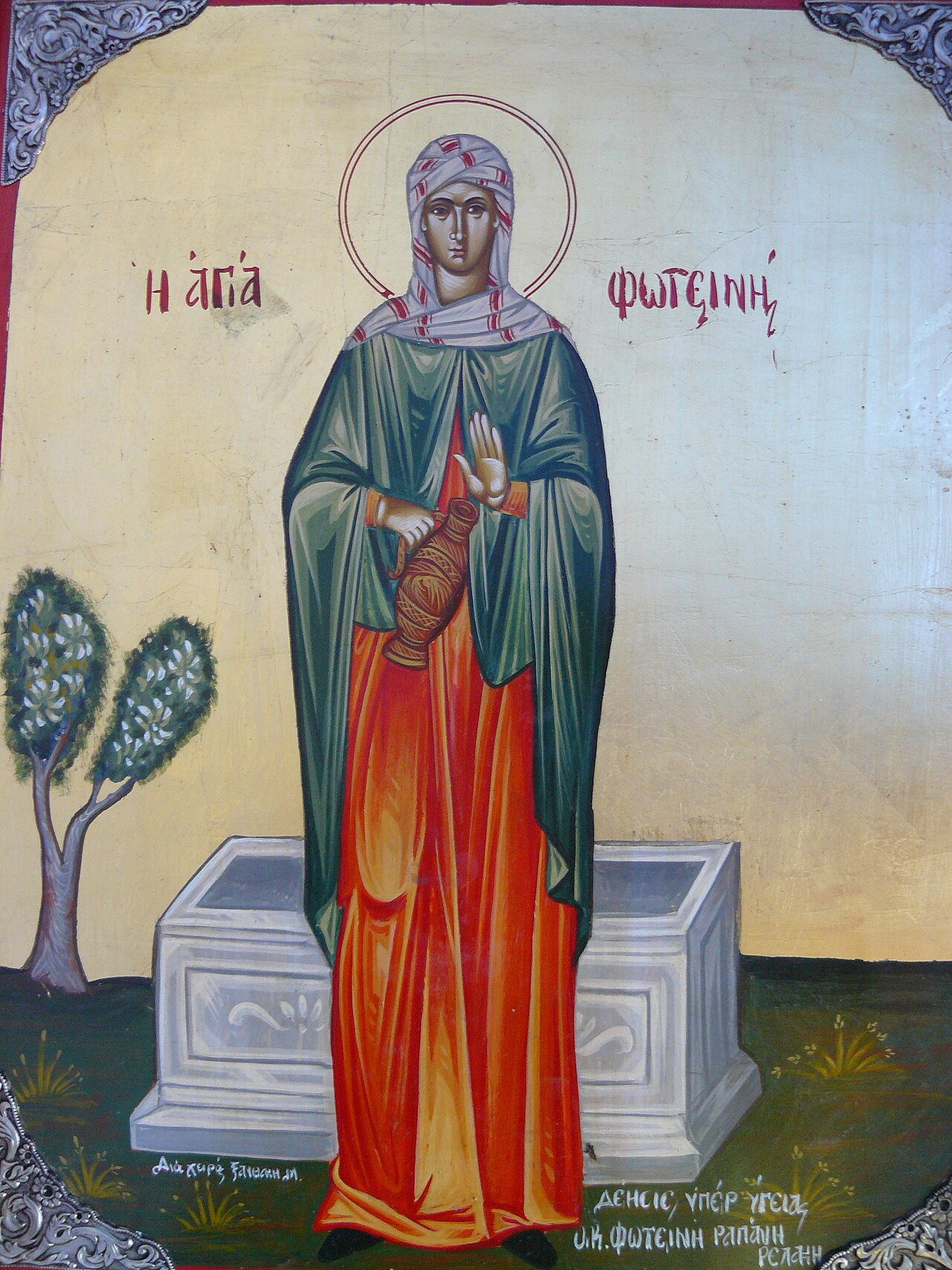
Saint Photini, a Samaritan woman from Sychar, met Jesus at the well despite being shunned for her way of life. Jesus spoke to her of living water and showed that he knew her life without humiliating her.
Saint Emilianos began as a monk at the Bosporus monastery founded by Patriarch Tarasios of Constantinople. As bishop of Cyzicus from 787 to 815, he was known for his virtue, generosity, and joyful character.
The Church of Saint Andrew in Patras was founded in 1908, inaugurated in 1974, and houses the apostle’s skull and a portion of his martyrdom cross. Andrew’s skull returned from Rome in 1964, followed by the cross relic in 1980, and both are treasured by the local Church.
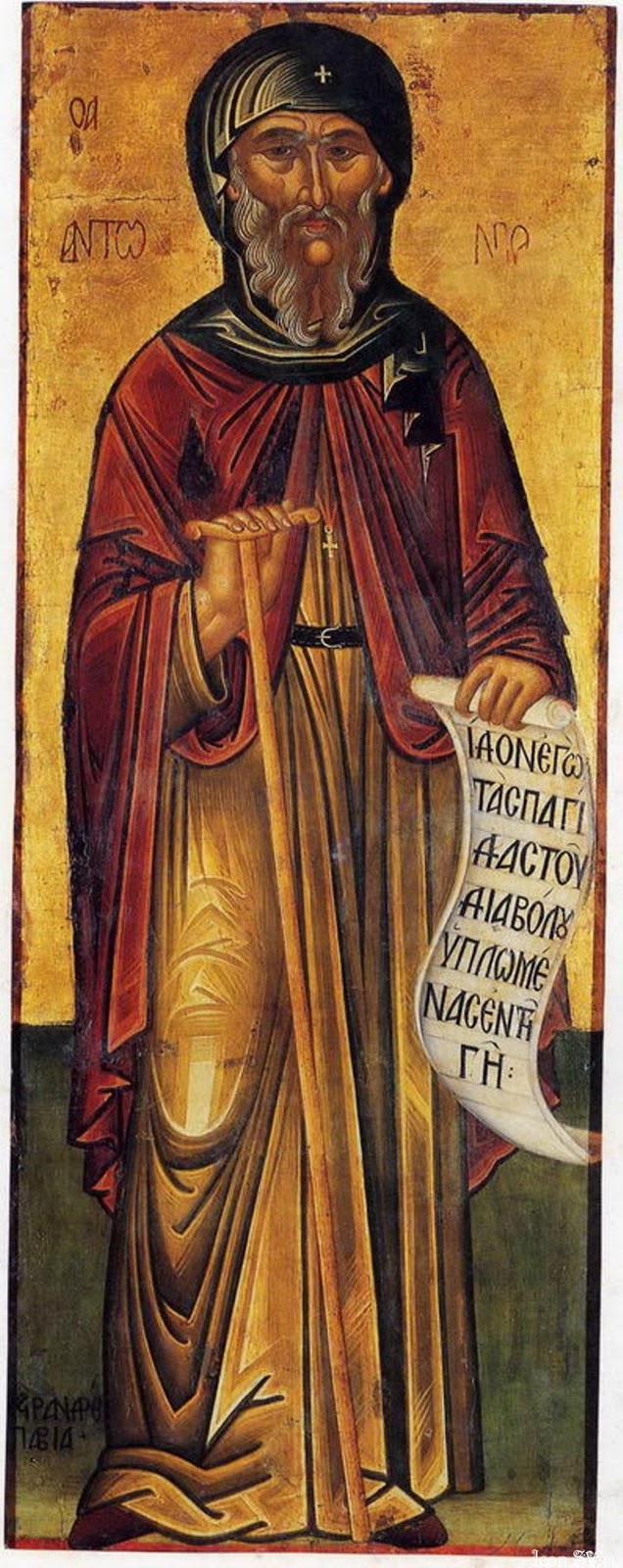
Born in Egypt in 251 to Christian parents, Anthony grew devoted to church readings and later began an ascetic life near an elder monk. He entrusted his sister to a Christian community, gave his earnings to the poor, and practiced fasting, prayer, charity, and self-discipline.
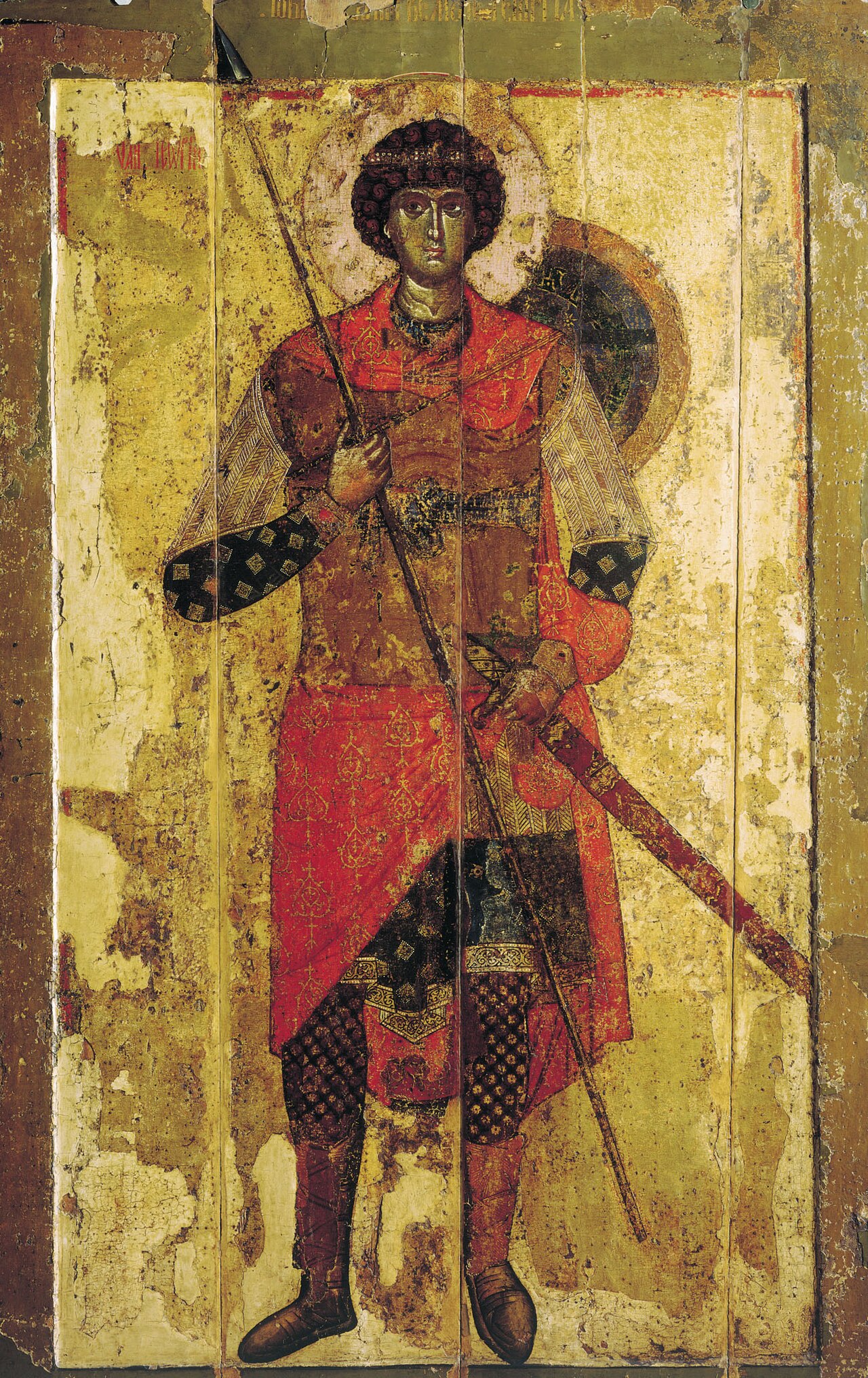
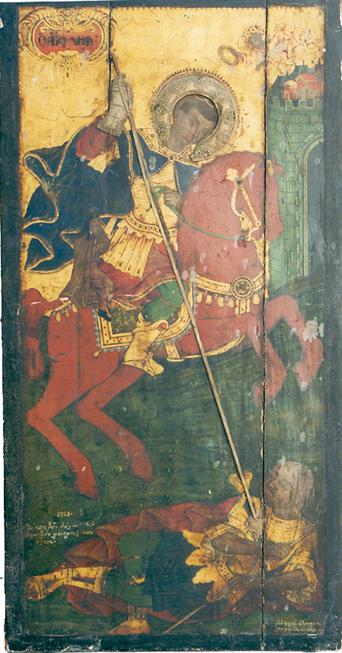
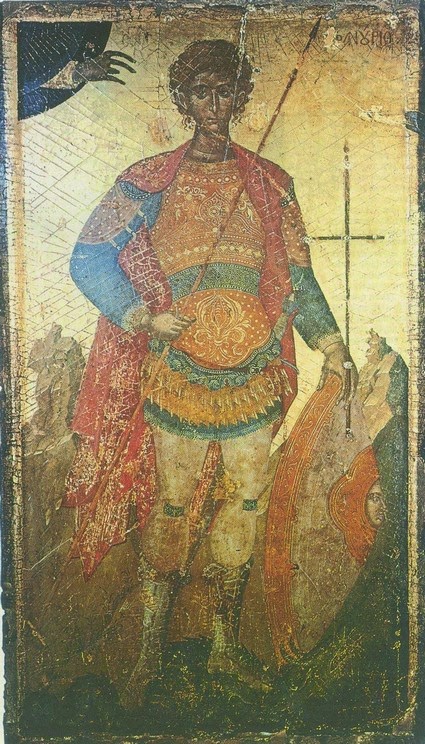
Born in Cappadocia to Christian parents, George was raised in Lydda, Palestine, after his father’s death. He joined the Roman army at eighteen, rose through its ranks, and received a command from Emperor Diocletian.
Saint Demetrius served as an official in fourth-century Thessaloniki while teaching young people the Christian faith. He refused the emperor’s demand to renounce Christ and remained steadfast through imprisonment and the threat of death.
Born to a devout family in Alemannia, Saint Therapon embraced ascetic discipline, studied Scripture, and became a preacher of Christ. Though reluctant, he was ordained bishop and guided his flock in Orthodox teaching.
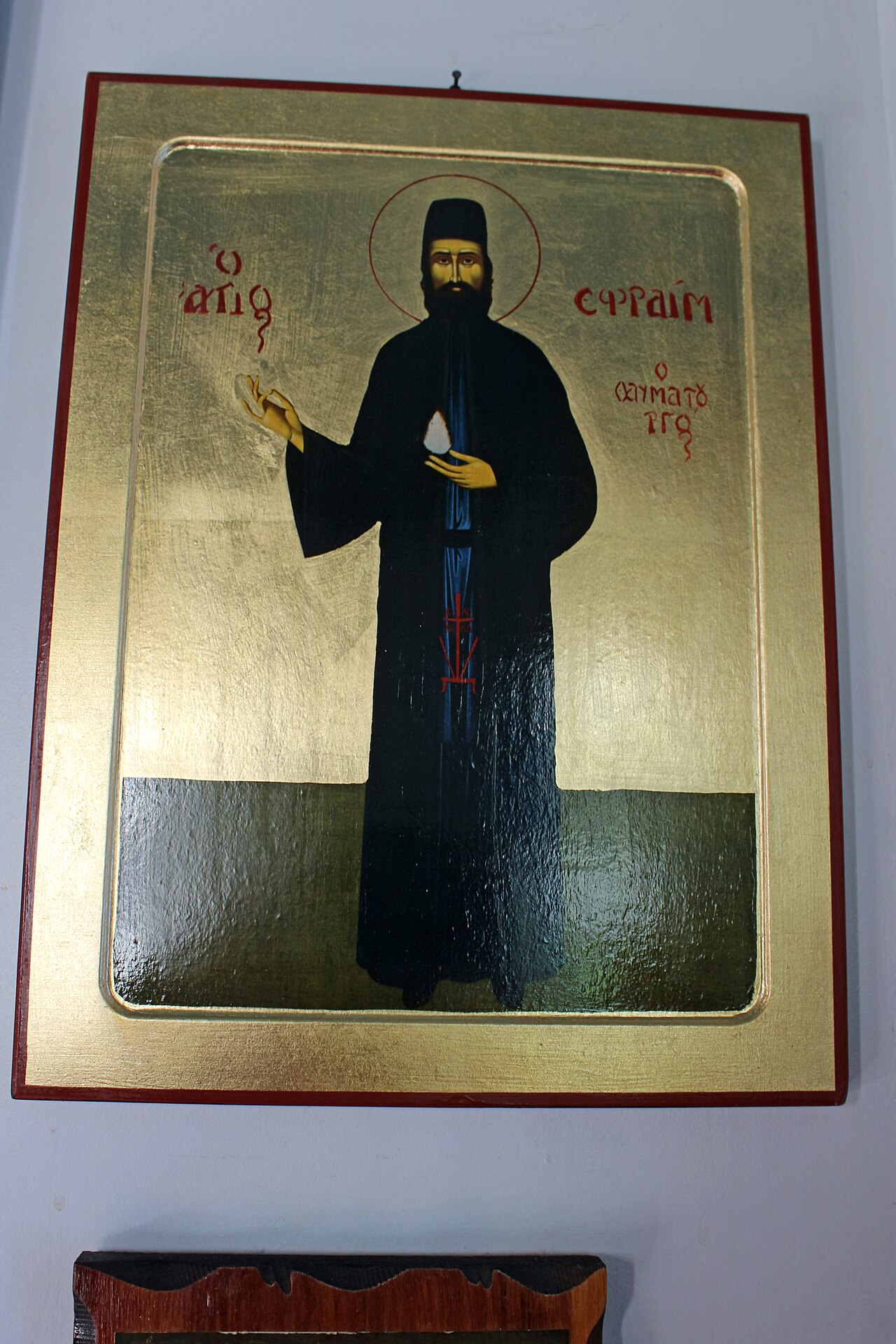
Born Constantine in Trikala in 1384, Saint Ephraim grew up in a devout family after his father’s death. At fourteen, he left home on his mother’s advice to escape the Ottoman recruitment of Christian boys.
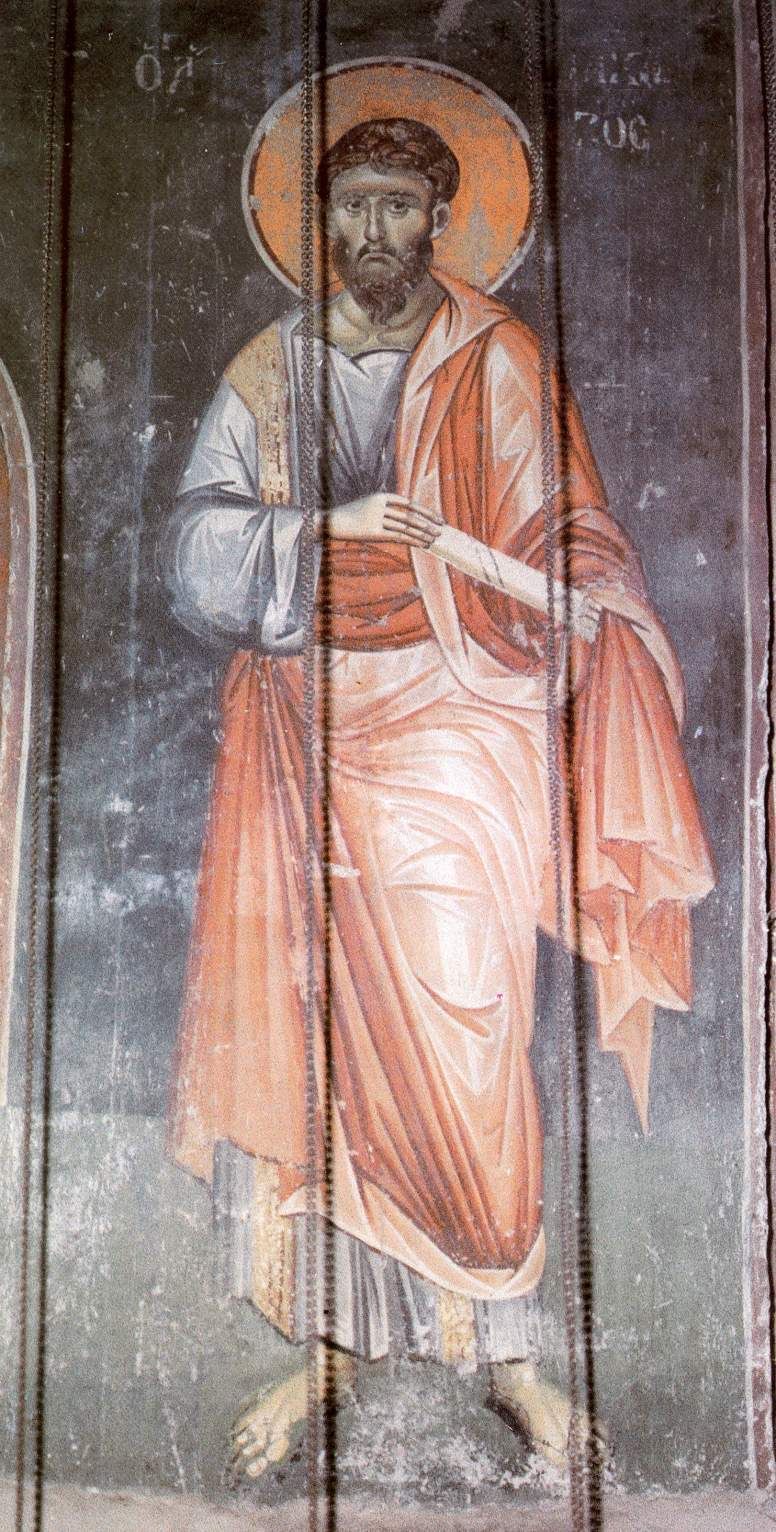
Saint Jude Thaddeus is introduced as one of the Twelve Apostles, the son of Alphaeus and brother of James the Less, distinct from Judas Iscariot. After Pentecost, he served in Jerusalem, preached the Gospel in Mesopotamia, and was martyred in Edessa.
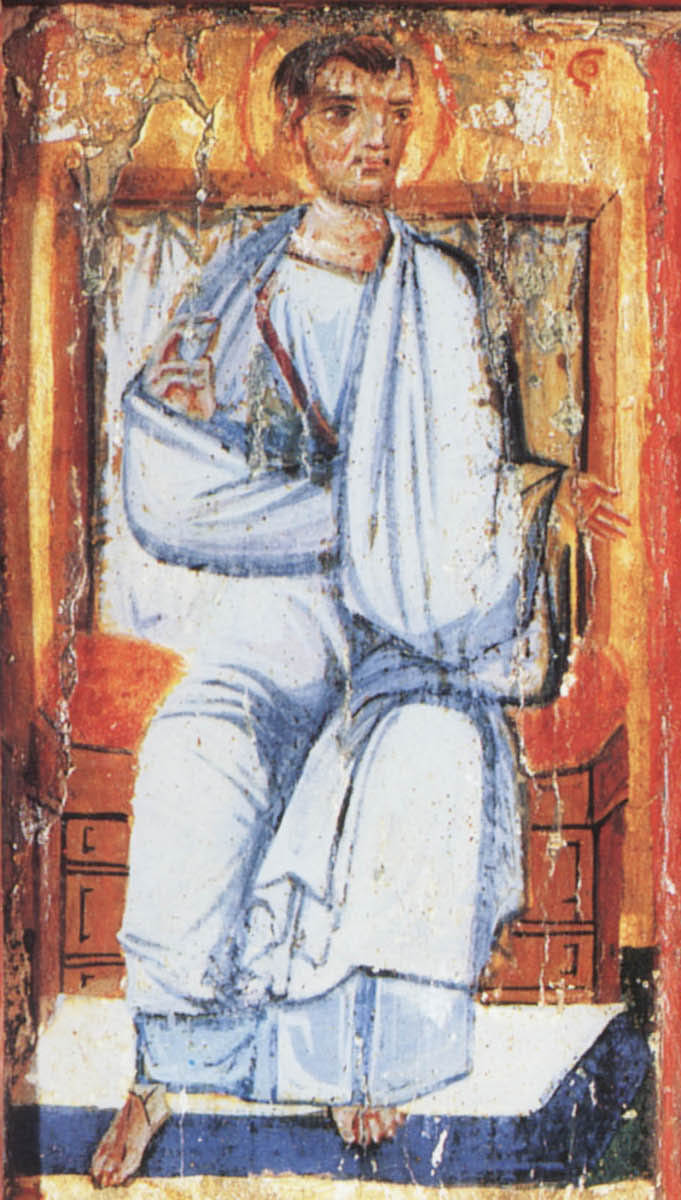
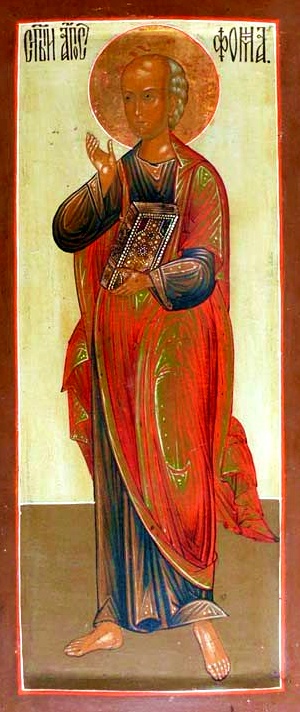
Absent from Christ’s first appearance to the apostles, Thomas believed after seeing the risen Lord’s wounds and confessed, “My Lord and my God.” Thomas was present at Pentecost and, according to Church tradition, later found the Theotokos’s tomb empty after her Dormition.
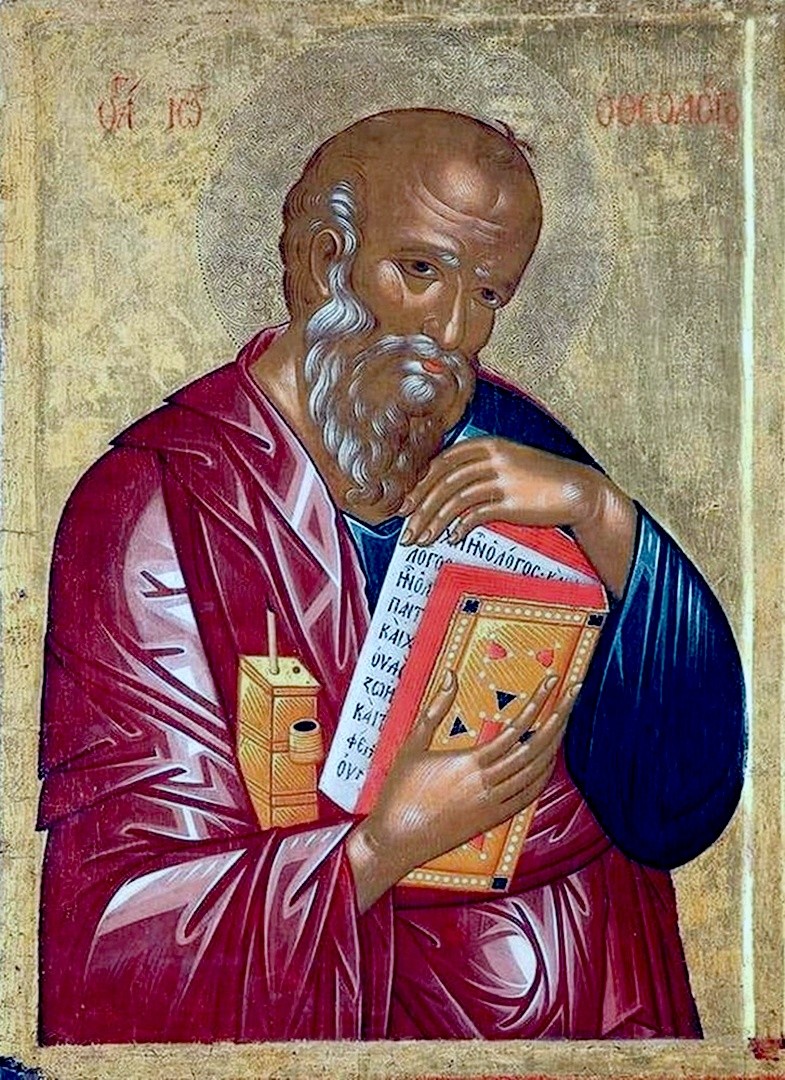
John grew up in a fishing family in Galilee with his brother James and followed Jesus when called. As a close disciple, John witnessed the Transfiguration, stayed near Jesus during the Passion, and was entrusted with the care of the Theotokos.
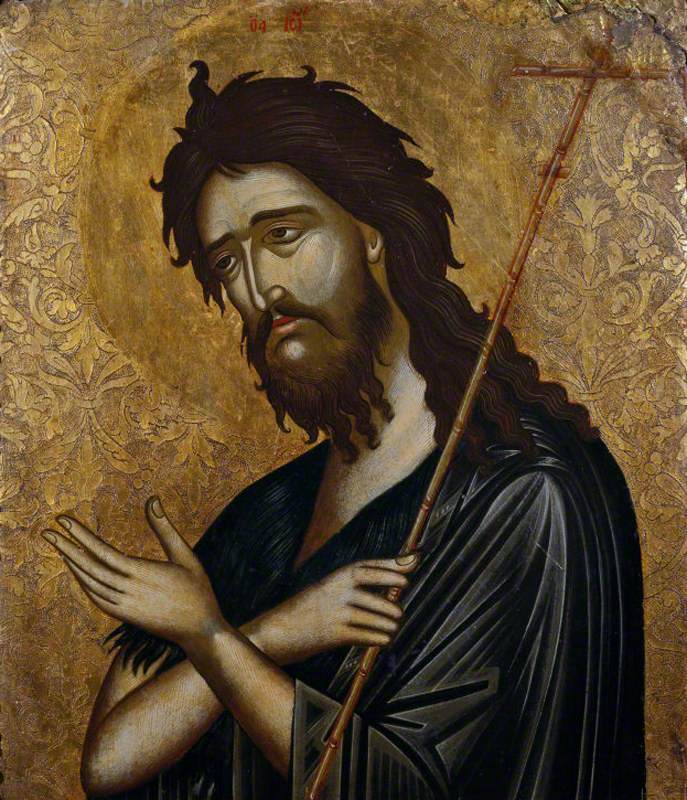
John the Baptist is presented as the last prophet of the Old Testament and the forerunner of Jesus Christ. The Archangel Gabriel foretold his birth to the elderly Zechariah and Elizabeth, and Zechariah regained his speech when he named the child John.
Born in Aetolia, Saint Cosmas studied at Mount Athos, became a monk at Philotheou Monastery, and was ordained a priest. With patriarchal permission, he traveled widely to preach the Gospel, drawing crowds too large for local churches.
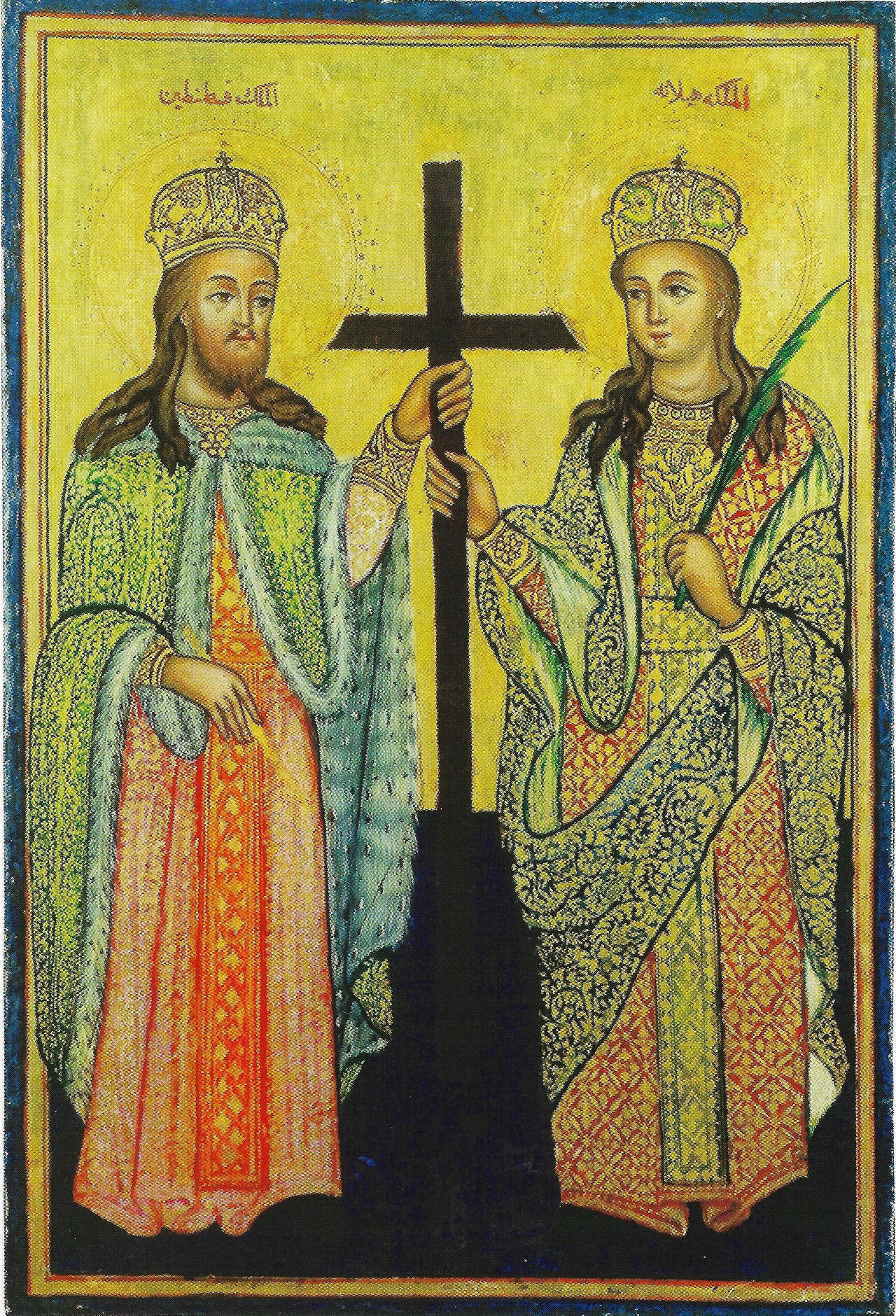
Helen grew up in Bithynia, embraced Christianity, married Constantius Chlorus, and raised their son Constantine in the faith. Constantine combined his mother’s Christian teaching with military training and rose through the Roman army.
Born in Cappadocia in 1035, Meletios grew in faith under the care of his parents, John and Sophia. He chose devotion to Christ over marriage and possessions, then journeyed to Jerusalem despite threats and abuse.
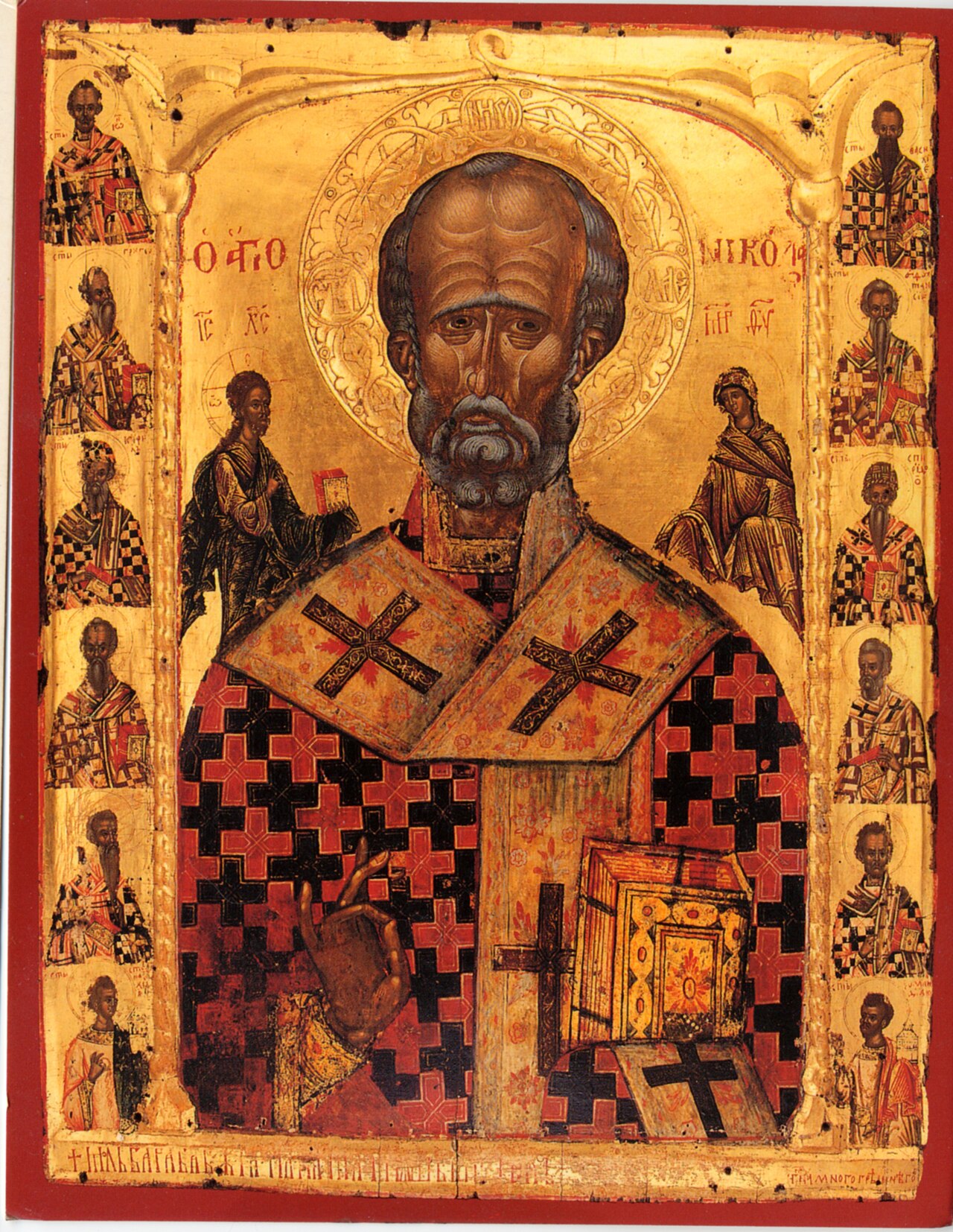
Saint Nicholas the Wonderworker was born in Patara, Lycia, and raised by devout Christian parents. From childhood he loved the Church and grew into a virtuous and pious man.
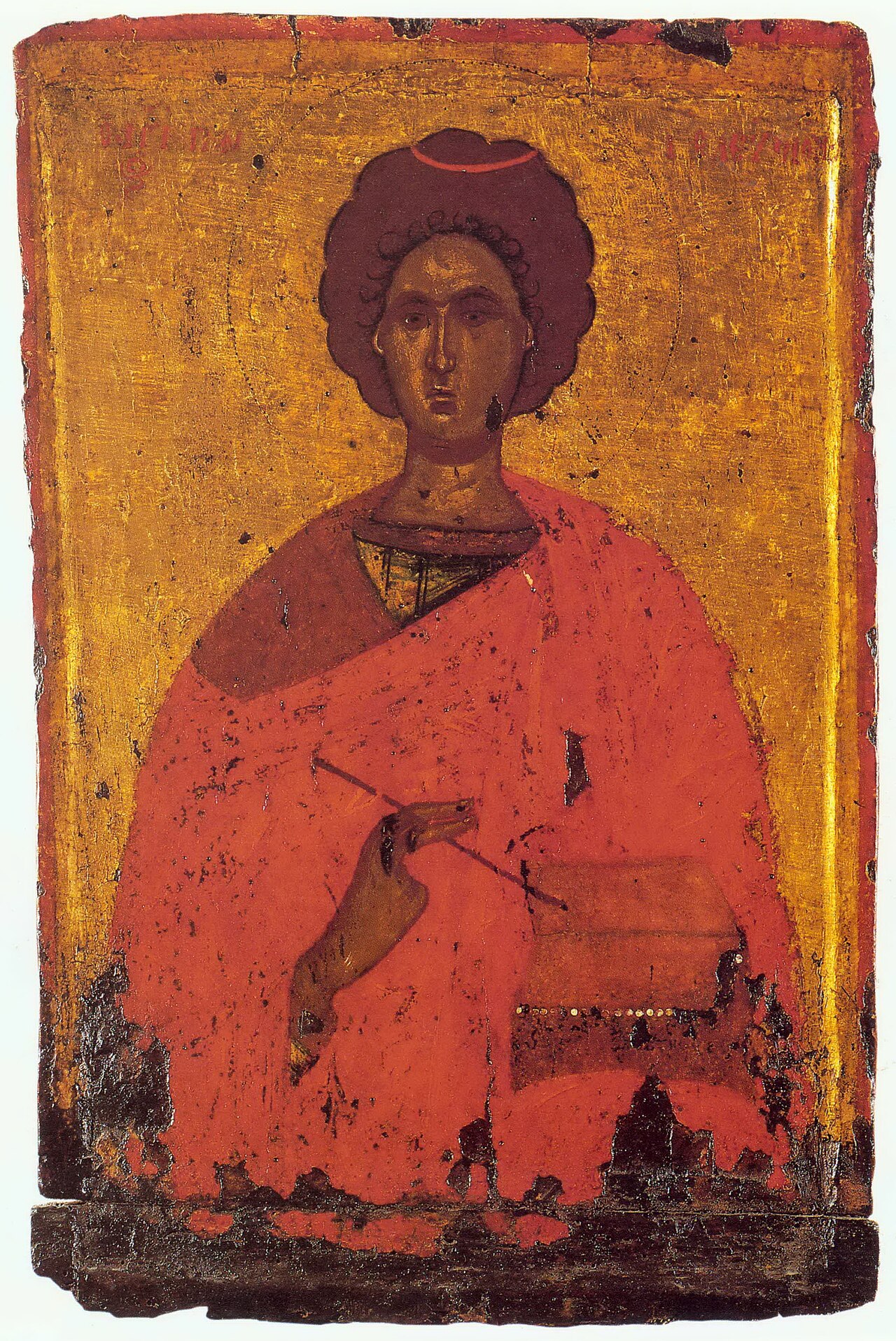
Born in Nicomedia to a Christian mother and pagan father, Panteleimon studied medicine under Euphrosynus. The priest Hermolaus taught him about Christ, and Panteleimon sought baptism after praying for a child killed by a snakebite.
Born in Thebes, Egypt, in 380, Patapios grew drawn to ascetic life through the examples of Saint Athanasius and Anthony the Great. As a young man, he sought the counsel of desert hermits and, according to the account, healed a merchant named Amoun and his camel through prayer.
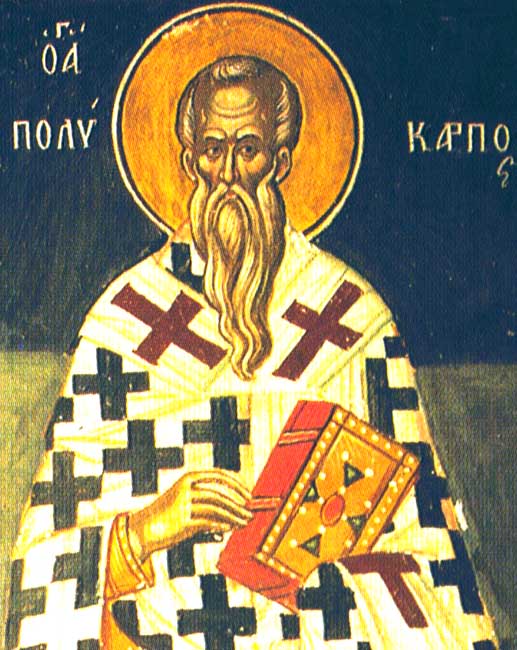
This account recounts Polycarp’s birth in Ephesus, his parents’ martyrdom, and his upbringing by a wealthy adoptive mother. It describes his generosity during a famine and the miraculous replenishment of a storehouse, after which he was called Polycarp.
Born Evangelos Bairaktaris in Euboea in 1906, he was drawn to monastic life after reading about Saint John the Hut-Dweller. After experiencing divine grace as a young monk, he returned from Mount Athos because of illness and was later ordained a priest with the name Porphyrios.
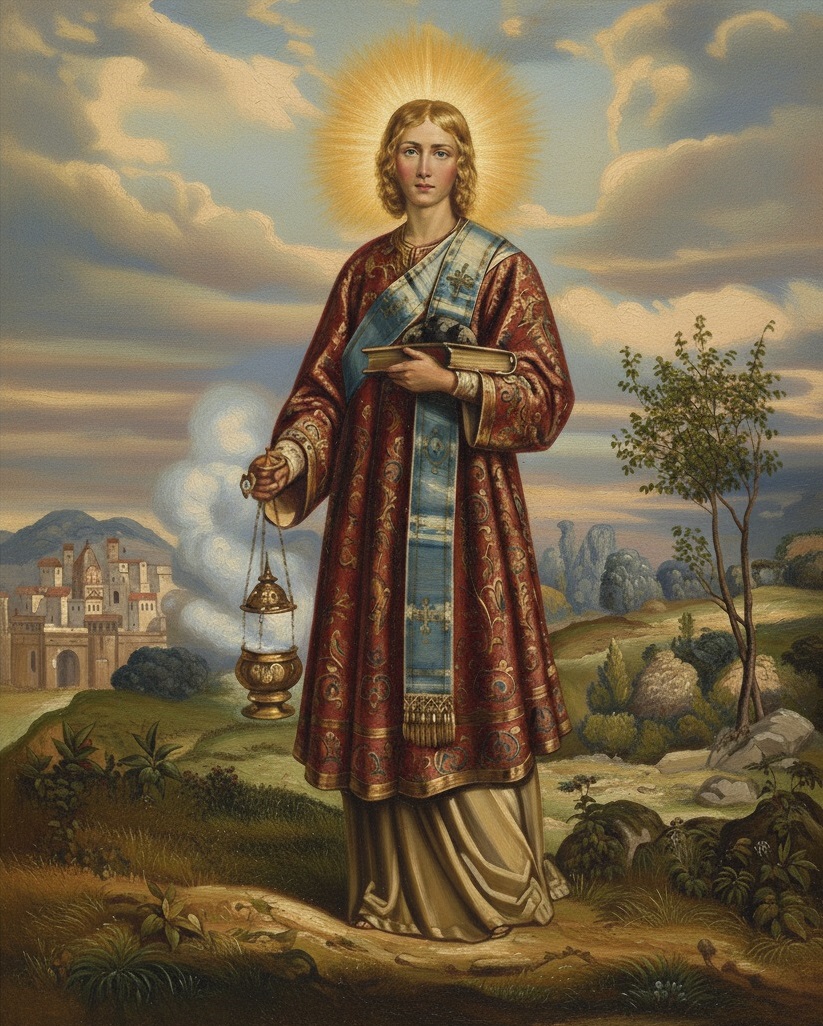
After Christ sent the Holy Spirit to the Apostles, seven deacons were appointed to help serve the growing Christian community. Stephen, one of the seven, preached Christ boldly and drew others to the faith.
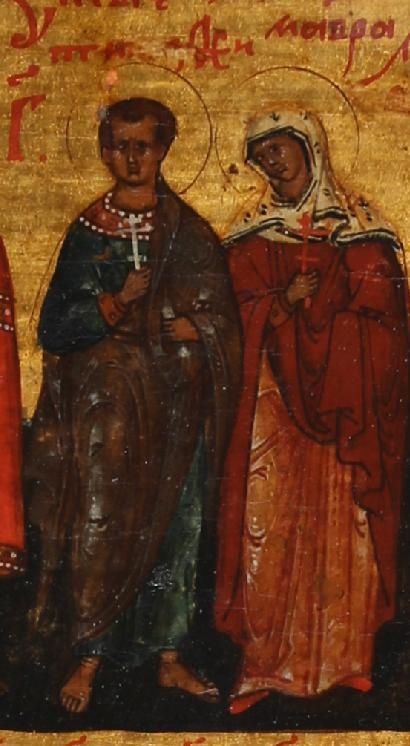
Timothy and Maura marry in the Thebaid of Egypt and devote their life together to Christ and works of charity. Twenty days after their wedding, the governor Arrianus arrests Timothy and demands the sacred books he uses to teach Christians.
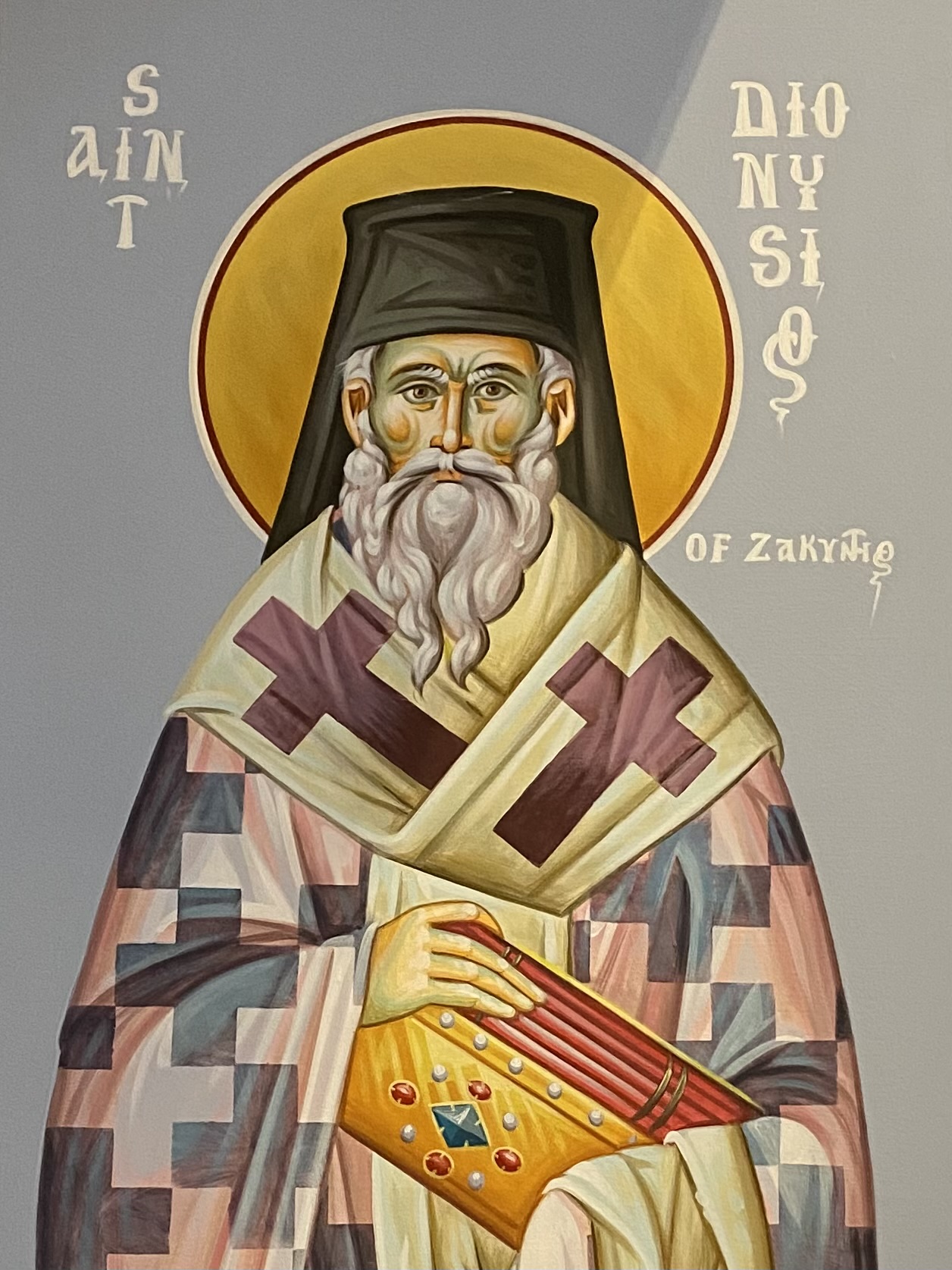
This account marks the 1703 transfer of Saint Dionysios’s relics from the Strofades Monastery to Zakynthos. As a young monk, Dionysios spent his nights praying in a cave; the speaker recounts how the monastery gates opened and closed at his prayers.
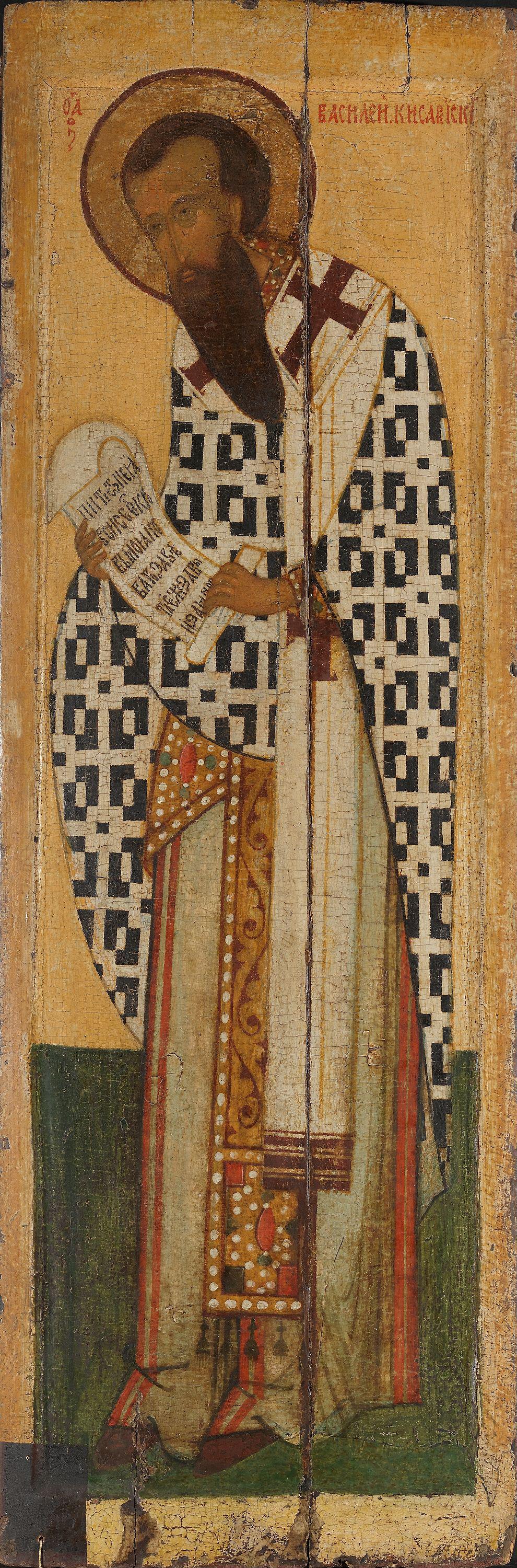
Born into a devout Christian family, Basil studied rhetoric, philosophy, medicine, and other subjects in Caesarea, Constantinople, and Athens. Influenced by his siblings Naucratius and Macrina, he was baptized, gave away his wealth, embraced ascetic life, and wrote rules for monastic communities.
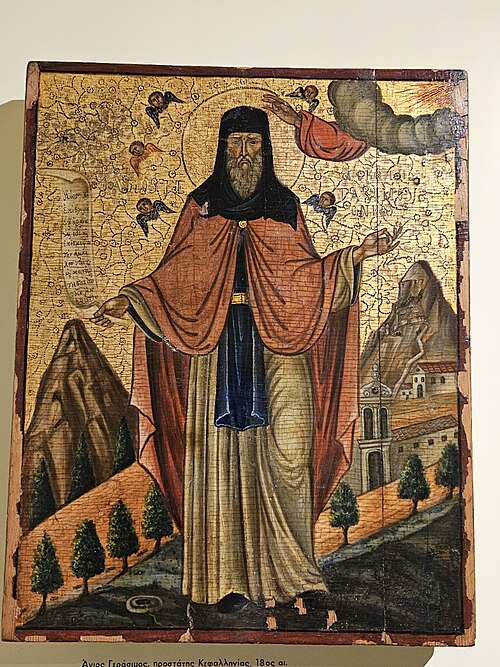
This account opens by honoring Christian marriage and tracing Saint Gerasimos’s family roots and early ascetic life. Gerasimos lived as an ascetic near Karyes and Kapsala before traveling to Jerusalem, where he served at the Holy Sepulchre for twelve years.
Eleutherios became a bishop while still young, and his inspired preaching led many people to believe. Emperor Hadrian ordered him tortured because of his Christian faith.
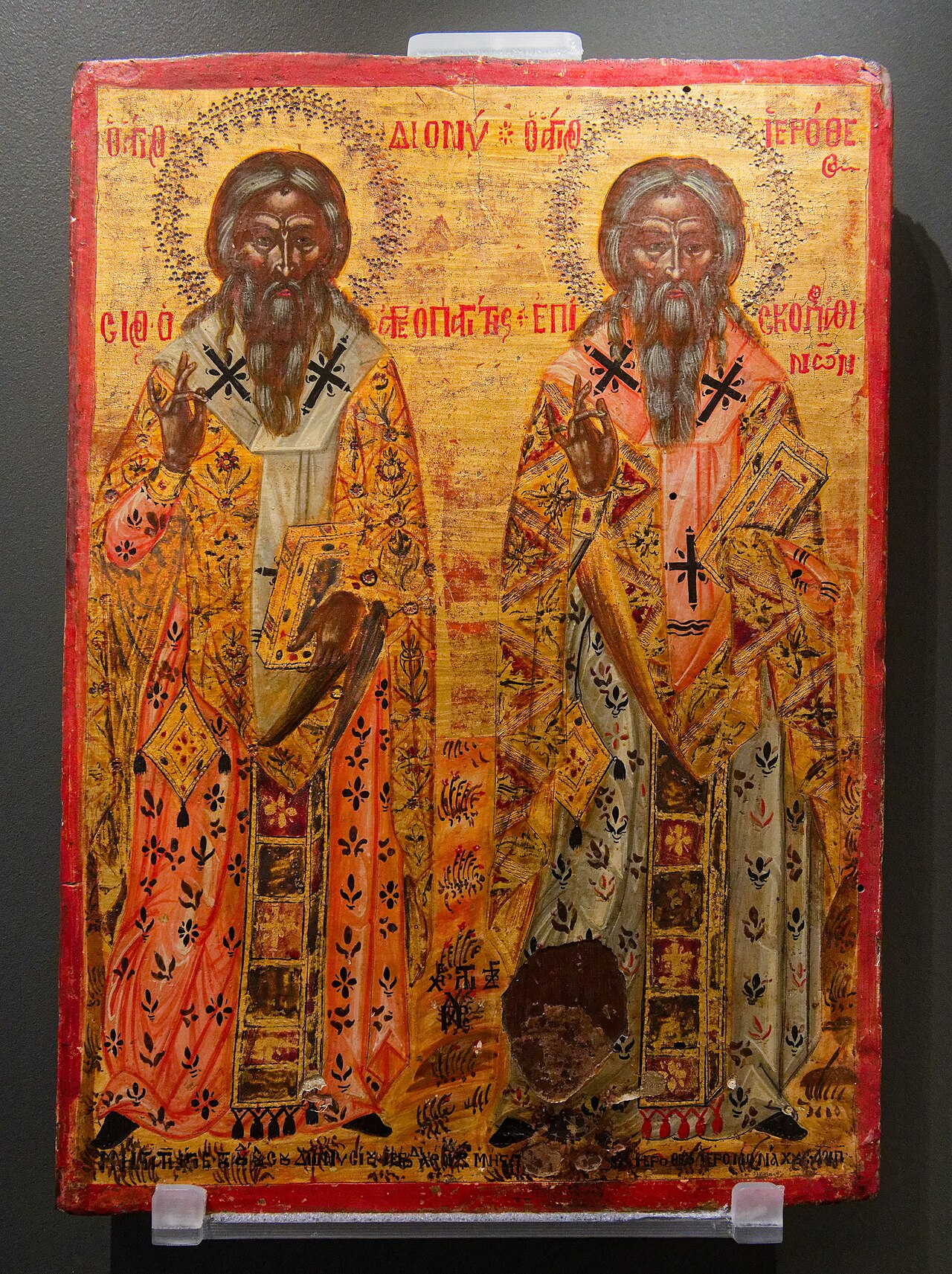
This account presents Hierotheos as a highly educated Athenian Platonist and member of the Areopagus who sought wisdom through moral discipline. It recounts a tradition that he witnessed the darkness at Christ’s crucifixion and later embraced the Christian faith.
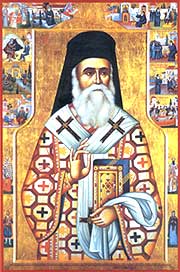
Saint Nektarios chose Aegina for his monastery because of its earlier monastic history and its association with Saint Athanasia. Born in Thrace, he learned to pray as a child and later worked in Constantinople, where a neighbor answered his letter asking Christ for help.
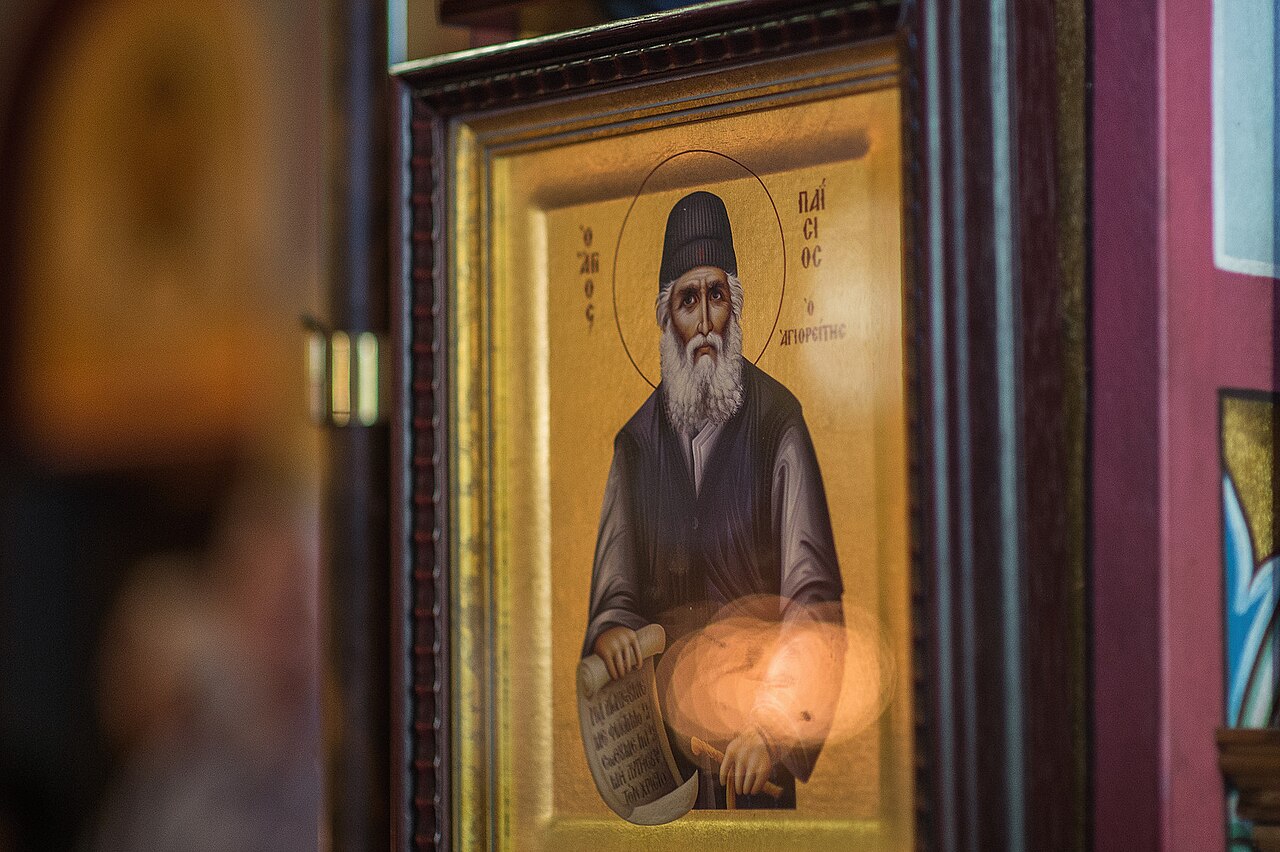
Born in Farasa, Cappadocia, Saint Paisios was baptized Arsenios by Saint Arsenios shortly before his family resettled in Greece. Growing up in Konitsa, he devoted himself to prayer and fasting, trained as a carpenter, and later served in the military as a radio operator.
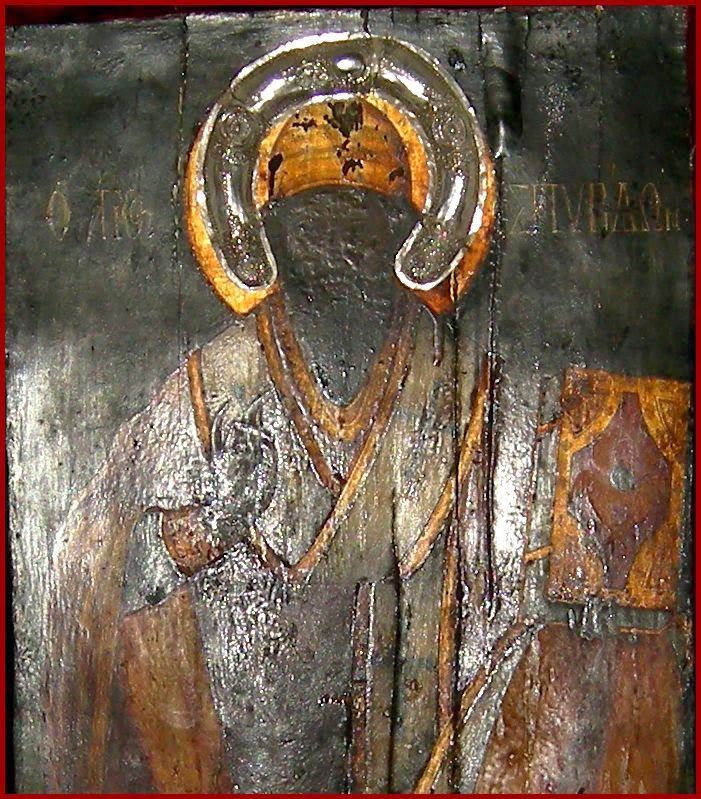
The Church celebrates Saint Spyridon as a holy wonderworker and one of its great fathers. Born in 270, he lacked formal education but possessed wisdom from God.
Born in Cyprus to a shepherding family, Spyridon had little formal education but kept Holy Scripture close throughout his life. He brought fellow shepherds to church, explained the readings, and cared for widows and orphans.
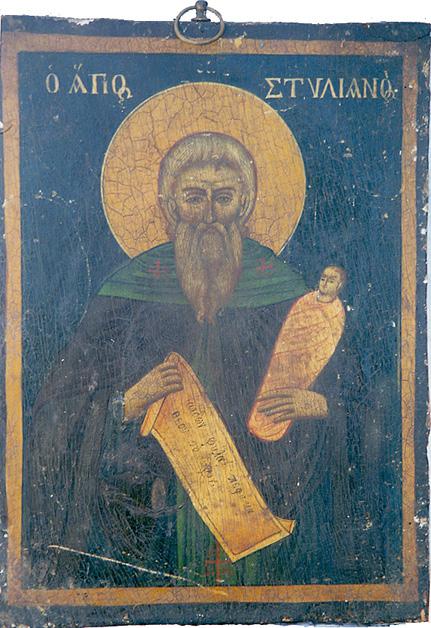
Born in Paphlagonia to the devout Theodotos and Theophano, Stylianos received an education grounded in faith and virtue. He embraced monastic life, then withdrew into the wilderness for solitude, prayer, and severe fasting.
Born Tarasios in Lycaonia, the young shepherd was baptized and took the name Sozon in remembrance of Jesus Christ. He studied Holy Scripture and shared the Gospel with people who gathered near his pastures.
This account recalls the revelations of Saints Raphael, Nicholas, and Irene on Lesbos and the discovery of the icon of Our Lady of Tinos. It then recounts the discovery of Saint Phanourios’s icon in Rhodes and its examination by Bishop Nilus.
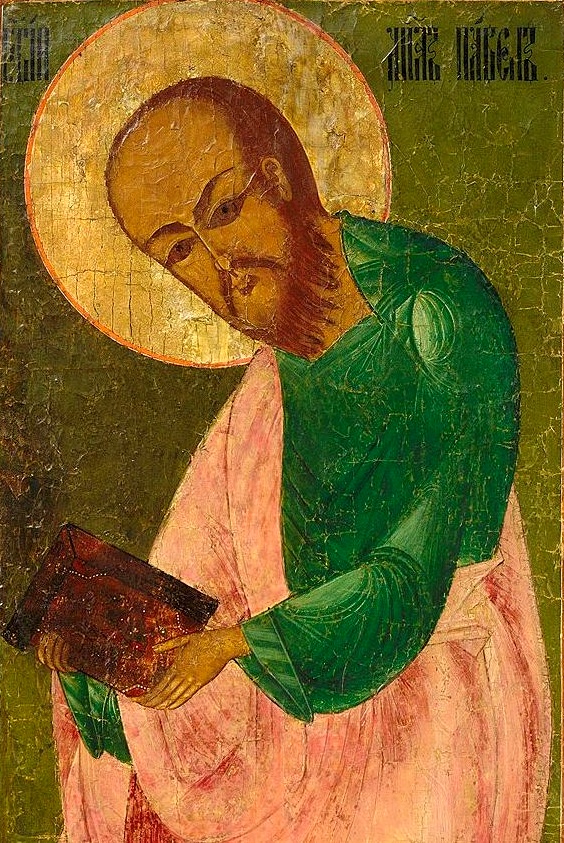
Luke’s Acts of the Apostles introduces Paul as a persecutor of Christians from Tarsus who studied under Gamaliel. On the road to Damascus, Paul encountered Christ, lost his sight, and was baptized by Ananias after his sight returned.
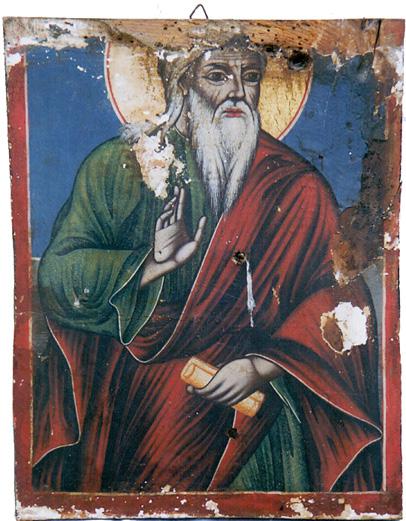
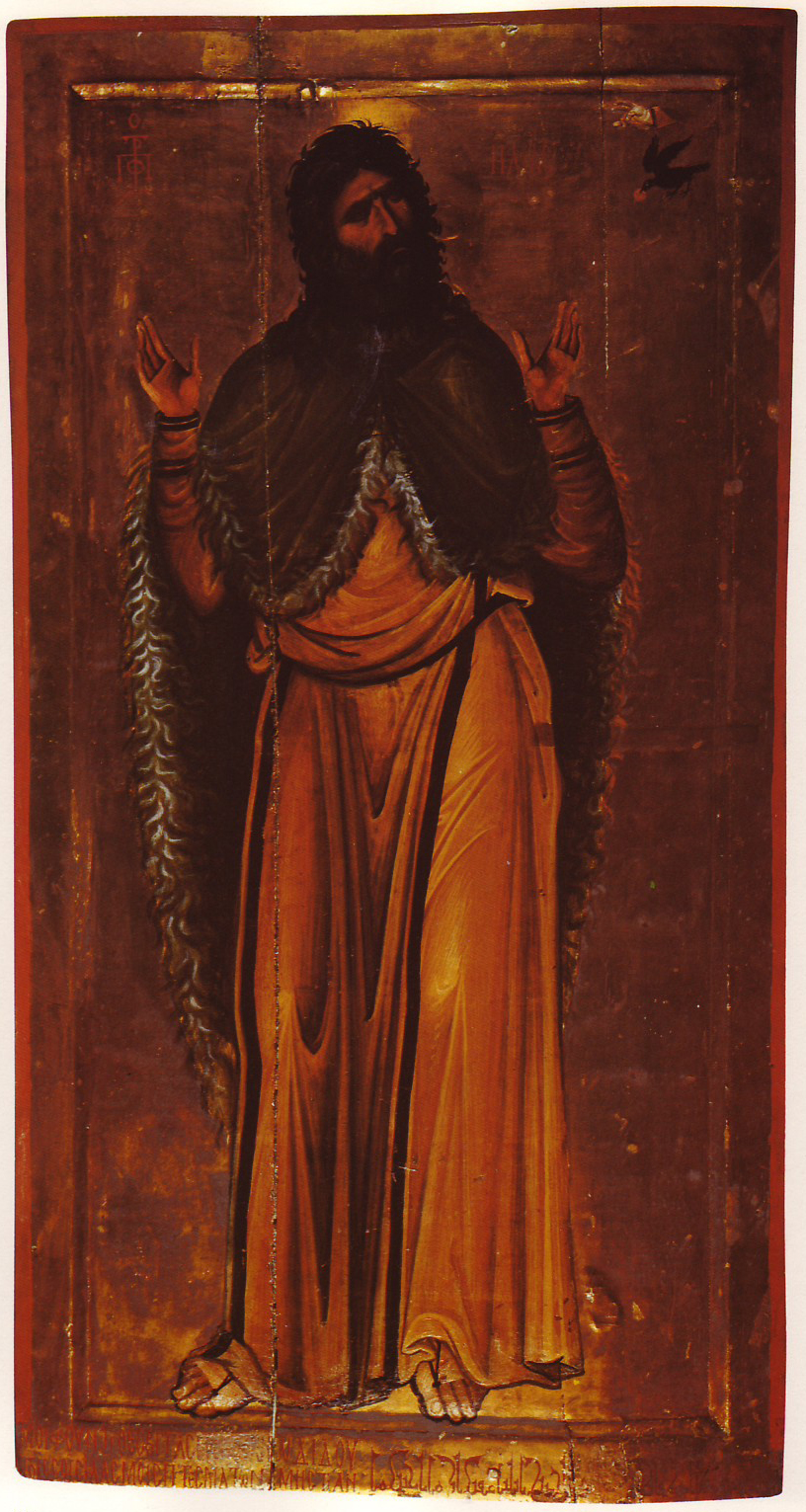
Elijah lived an ascetic life, and John Chrysostom praised his wisdom and zeal for God. Elijah confronted King Ahab’s unfaithfulness and foretold a drought that would end only at his word.
No stories match this name. Try another spelling.
Each recording keeps its own place in the archive, including alternate accounts of the same saint.
.jpeg)